
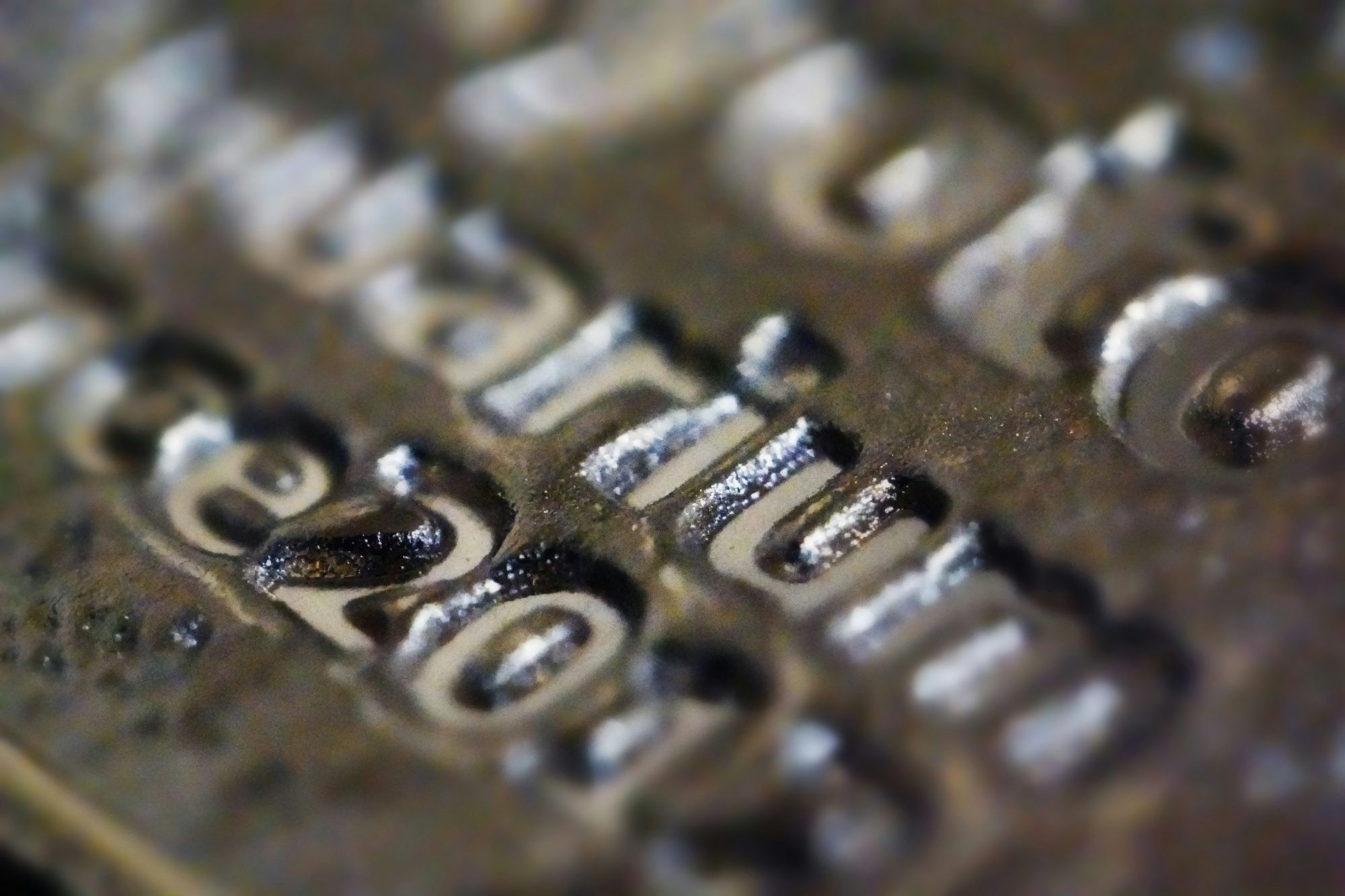
the ornate detail of hot-stamped foiling
printing terminology | beautiful invitations
If you’ve been on the hunt for wedding invitations, there’s a pretty good chance you have come across many with images of shiny gold or silver metallic designs pressed into a variety of cotton and other stationery paper. It’s breathtaking, romantic, and it will definitely have you take a second glance or maybe even more. This is called foil stamping, and it adds an elegant layer of formal simplicity to your invitation suite.
A tradition making a comeback
Traditional foil stamping is the best way to get a true metallic on your invitation. This process involves creating a magnesium or copper die that presses foil onto paper. The die is heated, which enables the foil to release onto the page. If you are using thicker stationery stock, this works wonders! The foil can be pressed into the page, or it can make an almost imperceptible indentation, depending upon the needs of the project.
Most foil is completely opaque, so we can use white foil or metallic foil on any darker paper, and the result is quite striking. However, some foil is translucent, like our pearl, and is perfect for adding a subtle highlight gloss to graphics.
Magnesium plates hold detail well, so they are the way to go with extremely ornate or small details. Whereas copper can’t be as detailed, it does hold up longer if the die will be used multiple times over its lifespan.
Frequently asked questions
What is foil stamping?
Foil stamping is a printing process that uses a heated die to press foil onto paper. It creates a shiny metallic or opaque finish that can add an elegant detail to wedding invitations and other stationery.
Can foil stamping be used on dark paper?
Yes. Most foil is completely opaque, which means white and metallic foils can be used on darker paper to create a striking contrast.
What is the difference between magnesium and copper foil stamping dies?
Magnesium plates are well suited to designs with extremely ornate or small details because they hold detail well. Copper dies may not capture the same level of detail, but they can hold up longer when the die needs to be used multiple times.
Can foil stamping create an impression in the paper?
Yes. Depending on the requirements of the project, foil can either be pressed into the paper or create an almost imperceptible indentation.
What type of paper works well with foil stamping?
Foil stamping works particularly well with thicker stationery stock. The choice of paper can also affect the final appearance of the foil, especially when using different colours, textures, and finishes.